Booze Now Facing Same Ingredient, Label Pressures as Non-Alcohol Sector
July 8, 2026
Walk into any grocery store and you can flip over a can of soda or a bottle of iced tea and read the ingredients. Do the same with a can of beer or a spirit-based canned cocktail and you'll find no such list because...
When it comes to the transition from artificial food and beverage colors to natural colors, the US is 15 years behind Europe. And there is a concerted, even frantic effort now to catch up.
That was my biggest takeaway from this month's BevTech conference, an annual gathering hosted by the International Society of Beverage Technologists. This is where the nation's beverage scientists go to discuss "The Science of the Sip," as this year's event was themed. The 350 professionals in attendance engineer and manage everything from ingredients to PET blow molding needed to get a drink from formula to shelf. I opened the conference with an overview of industry trends before taking in several presentations and a few extremely technical breakout sessions.
Right now, there isn't a major food and beverage company that isn't working on the shift...
Consumer Shift to Digital Orders is Important Challenge, Coke On-Premise Chief Says
April 23, 2026
Coca-Cola recently launched the company’s first-ever national food service campaign in the US called "And a Coke." The campaign is organized around the idea that “nothing completes a meal like a Coke,” according to the company. The campaign is unique for...
Wish List Includes Close Ties to Bottlers, Quick Decision Making, Total Beverage Innovation
March 25, 2026
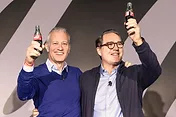
Coca-Cola bottlers in the US are broadly optimistic about incoming Coca-Cola CEO Henrique Braun, expressing confidence that his ground-level understanding of local markets and emphasis on consumer and digital...
Q&A With Niagara Senior Director of Logistics Niraj Jha
February 17, 2026
PepsiCo announced last month an initiative with German tech conglomerate Siemens and computer chip maker NVIDIA to create “digital twins” of manufacturing plants and warehouses. The goal is to use AI-backed digital simulation technology to figure out what physical changes to plants and warehouses would best improve speed, quality, and efficiency. According to Siemens, the technology tested in one US Gatorade plant increased throughput by +20% within three months. PepsiCo estimates it could reduce capital expenditures by -10% to -15% by “uncovering hidden capacity and validating investments in a virtual environment” before construction. “This allows the company to optimize existing assets rather than investing in costly new construction,” Siemens said in a blog post about the PepsiCo partnership. BD wanted to understand how digital twins work, so we turned to Niraj Jha, who is the senior director of logistics at Niagara Bottling. His work is focused on how data, automation, and AI are reshaping beverage supply chains. Jha’s team leads large-scale optimization initiatives across Niagara’s national network. Jha has been an outspoken proponent of AI technology in manufacturing and distribution. The following interview has been condensed and edited for clarity:
Two senior executives from major soft drink bottlers shared insights during BD’s recent Future Smarts conference into how their bottling organizations are navigating everything from evolving consumer preferences to capital expenditures in the age of technology. Coca-Cola Southwest Beverages President Jean-Claude Tissot and Admiral Beverage EVP and General...
Technology Boosts Coke’s Marketing Effectiveness Up to +300%
December 22, 2025
Technology Boosts Coke’s Marketing Effectiveness Up to +300%
Keurig Dr Pepper Hires from Oracle, Google
Brand AI Agents Assist KDP Marketers on Packaging, Advertising, Sales
Beverage Digest hosted on-stage conversations with the global CMOs of both Coca-Cola and Keurig Dr Pepper during its Future Smarts conference in New York on Dec. 15. The thrust of the discussion centered on digital technology — including artificial intelligence — in marketing operations, data-driven...
How Should Executives, Investors, and Government Officials Respond?
In a new report called “The Great Recalibration: Forces of Exponential Change,” researchers at RBC Capital Markets including beverages analyst Nik Modi defined five new...
 RSS
RSS