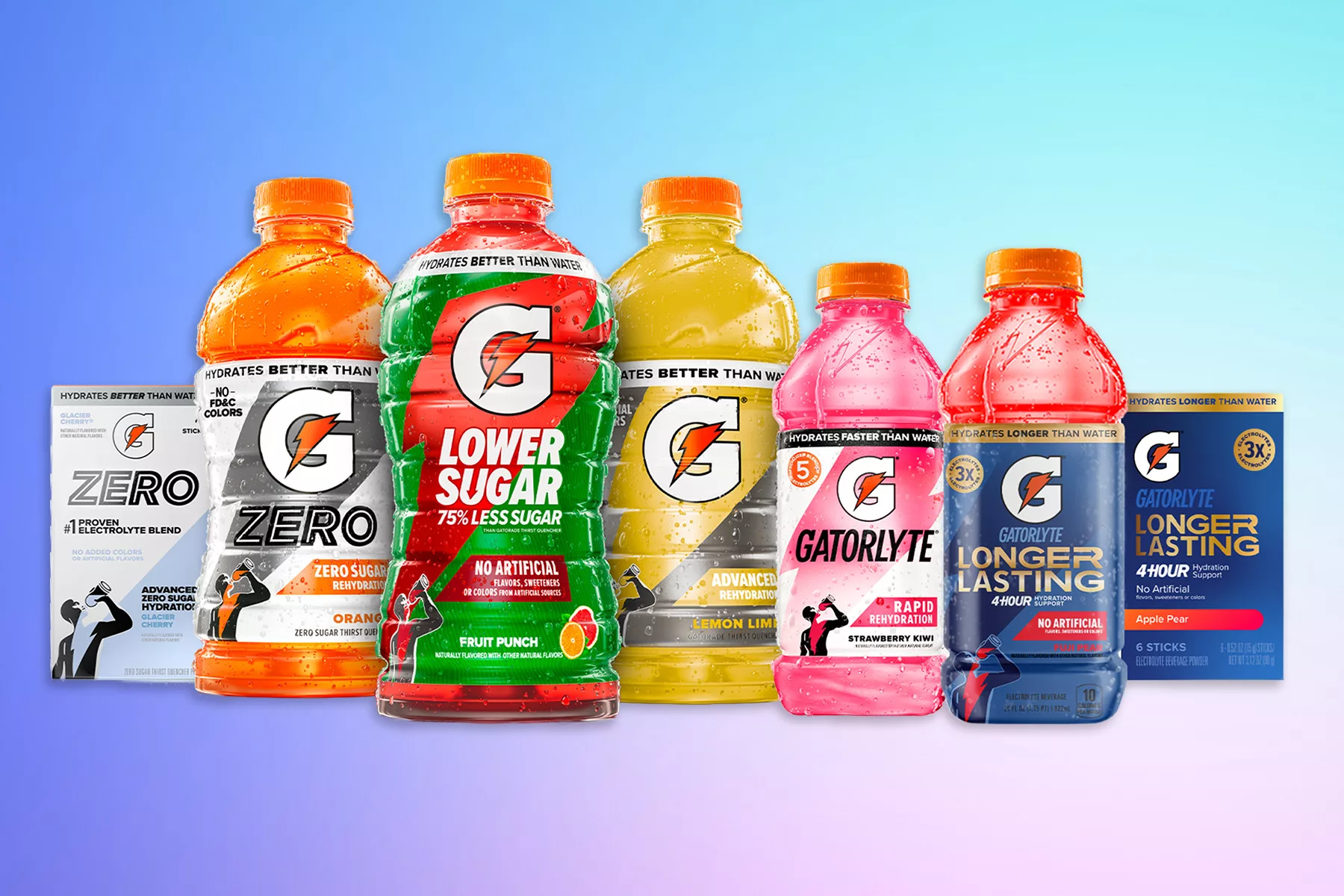
When it comes to the transition from artificial food and beverage colors to natural colors, the US is 15 years behind Europe. And there is a concerted, even frantic effort now to catch up.
That was my biggest takeaway from this month's BevTech conference, an annual gathering hosted by the International Society of Beverage Technologists. This is where the nation's beverage scientists go to discuss "The Science of the Sip," as this year's event was themed. The 350 professionals in attendance engineer and manage everything from ingredients to PET blow molding needed to get a drink from formula to shelf. I opened the conference with an overview of industry trends before taking in several presentations and a few extremely technical breakout sessions.
Right now, there isn't a major food and beverage company that isn't working on the shift...
Trump Administration, Kennedy Take Anti-Soda Message on the Road
March 5, 2026
Twenty-three states have now requested or been granted waivers to disallow soda purchases with SNAP benefits, a US Department of Agriculture spokesperson confirmed to BD this week. To date, 18 states have been...
SNAP Shoppers Would Seek Lower Priced Channels for Sweetened Beverages Under Bans
February 4, 2026
More than 70% of SNAP consumers would scale back consumption of carbonated soft drinks and energy drinks if they couldn’t use their benefits to pay for the products, according to research by RBC Capital Markets using Numerator data. The finding...
Coke, Pepsi Concentrate Pricing Up. PepsiCo Flat Following Jump Last September
February 4, 2026
Concentrate list pricing for flagship Coca-Cola, Diet Coke, Sprite, Coca-Cola Zero Sugar and other carbonated soft drinks produced by US Coke bottlers is...
Recommendations Target Non-Nutritive Sweeteners and Added Sugar
January 14, 2026
The US government just released new Dietary Guidelines for Americans (DGA), updating previous recommendations issued in 2020. The guidelines, backed by the American Medical Association, American Academy of Pediatrics and the American Heart Association, offer recommendations on how Americans should eat. Federal and local governments use the guidelines to shape everything from school nutrition programs to SNAP benefits. The guidelines also influence food industry strategy, healthcare advice, and nutrition education. For the first time, the DGA has said “no amount of added sugars or non-nutritive sweeteners is recommended or considered part of a healthy or nutritious diet.” Analysis.