Rising Aluminum and Fuel Expenses Squeeze Distributor Margins
May 15, 2026
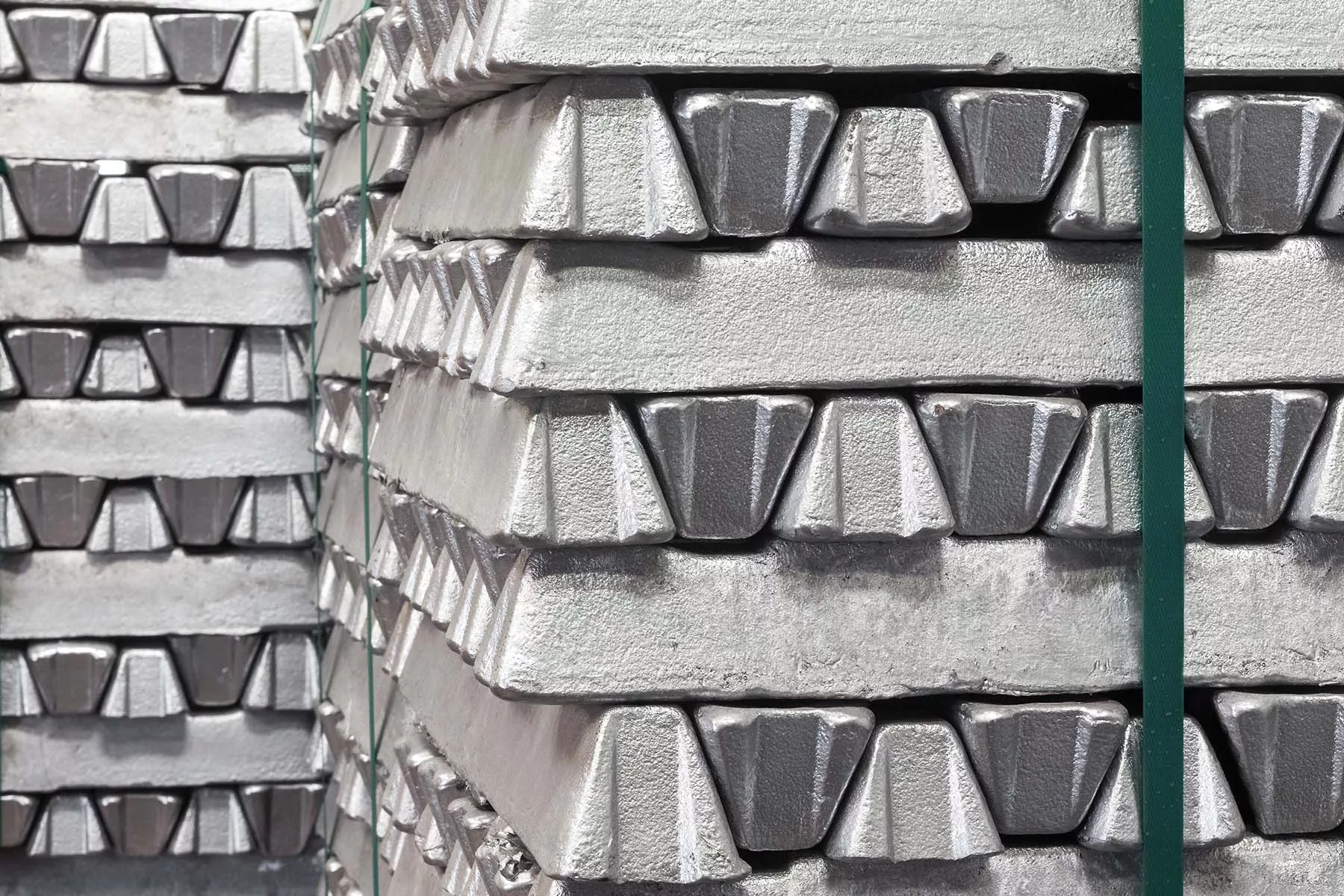
Rising fuel and aluminum prices against the uncertainty of a war in Iran and the highest annual inflation rate since May 2023 have caused increasing angst among US beverage bottlers and distributors. BD informally surveyed executives across the Coca-Cola, PepsiCo, Keurig Dr Pepper, and independent beverage distribution systems during the past week to find out what cost and profit margin pressures they face now, and what additional pressure they expect. The bottlers also discussed concerns about the revenue side of their P&Ls as consumers look for ways to better afford high grocery and gas prices. During the first-quarter earnings cycle in recent weeks, Coke, PepsiCo, Keurig Dr Pepper, Celsius Holdings, and Monster Beverage all addressed current and anticipated commodity inflation pressure this year, while adding that the costs are mostly manageable so far. “We expect beverage companies will feel margin pressure in 2026, with likely pricing actions in 2027,” RBC Capital Markets Beverage Analyst Nik Modi wrote in a May 7 research note, citing higher costs for aluminum and fuel. Much of the pressure is falling on distributors who own and fuel the trucks that move beverages and buy the aluminum cans that drinks are packaged in. One bottler called it a “perfect storm” of cost pressures. The following is a summary of responses and key themes that emerged from more than a dozen discussions:
Diet Coke is capitalizing on its current social media renaissance by bringing back Diet Coke Lime, complete with retro packaging. The drink hit shelves nationwide this week. “Known for its crisp refreshment with a zesty lime twist,” Coca-Cola said in a statement, “Diet Coke Lime was a breakout...
The pandemic put a temporary chill on choice as CPG companies waded through supply shortages and retail disruption to keep core products on the shelf. As we move further away from crisis mode, expect to see a return to the kinds of customization and personalization that was growing prior to the global upheaval.
Here are a couple of examples that have come across my desk in recent months:
Dream Tea NYC — A consumer answers a few basic questions so the company can create a personalized small batch tea blend for them. BD’s Laura Stanford, a hot tea drinker, gave the program a try. She chose loose leaf chamomile tea with added lavender, bergamot, and vanilla. The can, which she selected in green, was printed with her first name and a list of tasting notes: honey, smoke, citrus, vanilla, and “inspiration.”
Pax — The product is sold in a resealable pouch containing drink mix packets — three each of Cranberry Cosmo, Margarita, Pineapple Paloma, and Moscow Mule. The flavor mixes can...
The US energy drink category at retail grew dollar sales by +12% in 2023 as volume jumped +5.1%, according to BD data. As shown in the Green Sheet with this story, market leaders...
Some Channel Shifting Seen for Pressured Consumers
November 2, 2023
Last week, Coca-Cola and Keurig Dr Pepper joined PepsiCo in reassuring investors that — for now at least — US consumers are still willing to spend on packaged refreshment beverages. More importantly, executives at the companies insisted they know how to adjust if consumers get skittish. Coca-Cola reported third-quarter earnings on Oct. 24, followed by Keurig Dr Pepper on Oct. 26. PepsiCo had already reported its third quarter on...
For years, juice has been off limits for consumers who avoid sugar. Juice drinks, which generally contain very little actual juice and high sugar content, were certainly a no-no for these consumers. Then even 100% juice fell out of favor, despite a health halo, as warnings about sugar mounted, especially when it came to children. Sales of 100% OJ have declined for almost two decades, before the Covid pandemic brought a short reprieve. PepsiCo even sold off a majority stake of its Tropicana business to private equity firm PAI partners in 2021 to focus on higher growth products.
But there is now some innovation to keep an eye on, with major juice brand Tropicana recently launching a Zero Sugar line of lemonade and fruit punch juice drinks with no artificial sweeteners. The products contain either 3% or 5% juice and are sweetened with stevia instead of sugar. Tropicana marketers pitch the new Zero Sugar line as “guilt-free.”
I don’t usually review products, but I’ve tried the new Tropicana Zero Sugar line and the drinks are good. This is surely due to advancements in no-calorie sweetener technology.
Tropicana is no stranger to stevia, having launched a stevia-sweetened product called Trop50 way back in 2009 just after the FDA made no objection to the natural sweetener’s use in food. The lower-sugar product (50% less than pure OJ) became a bright spot for the brand’s OJ lineup — but it still contained sugar. Trop50 addressed not only the sugar barrier, but also an aversion to artificial sweeteners expressed by some consumers (whether justified or not).
Stevia technology — and sweetener systems in general — have come a long way since. Tropicana’s line of ...
Concentrate list pricing for flagship Coca-Cola, Diet Coke, Sprite, Coca-Cola Zero Sugar and other carbonated soft drinks produced by US Coke bottlers jumped...GREEN SHEET included: Concentrate-Pricing-2023-06-27
AHA Volume Down -42%. PepsiCo’s Bubly Grows. LaCroix Slips
May 26, 2023
Sales of Coca-Cola’s sparkling water brand, AHA, have deteriorated amid competition with PepsiCo’s growing sparkling water brand, Bubly, according to new BD data. Both brands were created to take on ...
Table included:
Prime, the sports drink challenger incubated by Congo Brands and co-founded last year by social media influencers Logan Paul and KSI, has bounded its way into a US sports drink category dominated by PepsiCo and Coca-Cola. As shown in the Green Sheet with this story...
Tables included:
U.S. Non-Carbs at Retail by Category: Q1 2023 (Volume, Dollars, Pricing)
GREEN SHEETS included: Non-Carbonated Beverages: Q1 2023
 RSS
RSS