Resealable C-store Bottle Launched for Pepsi, Dew in Select Markets
June 4, 2026
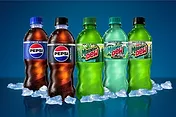
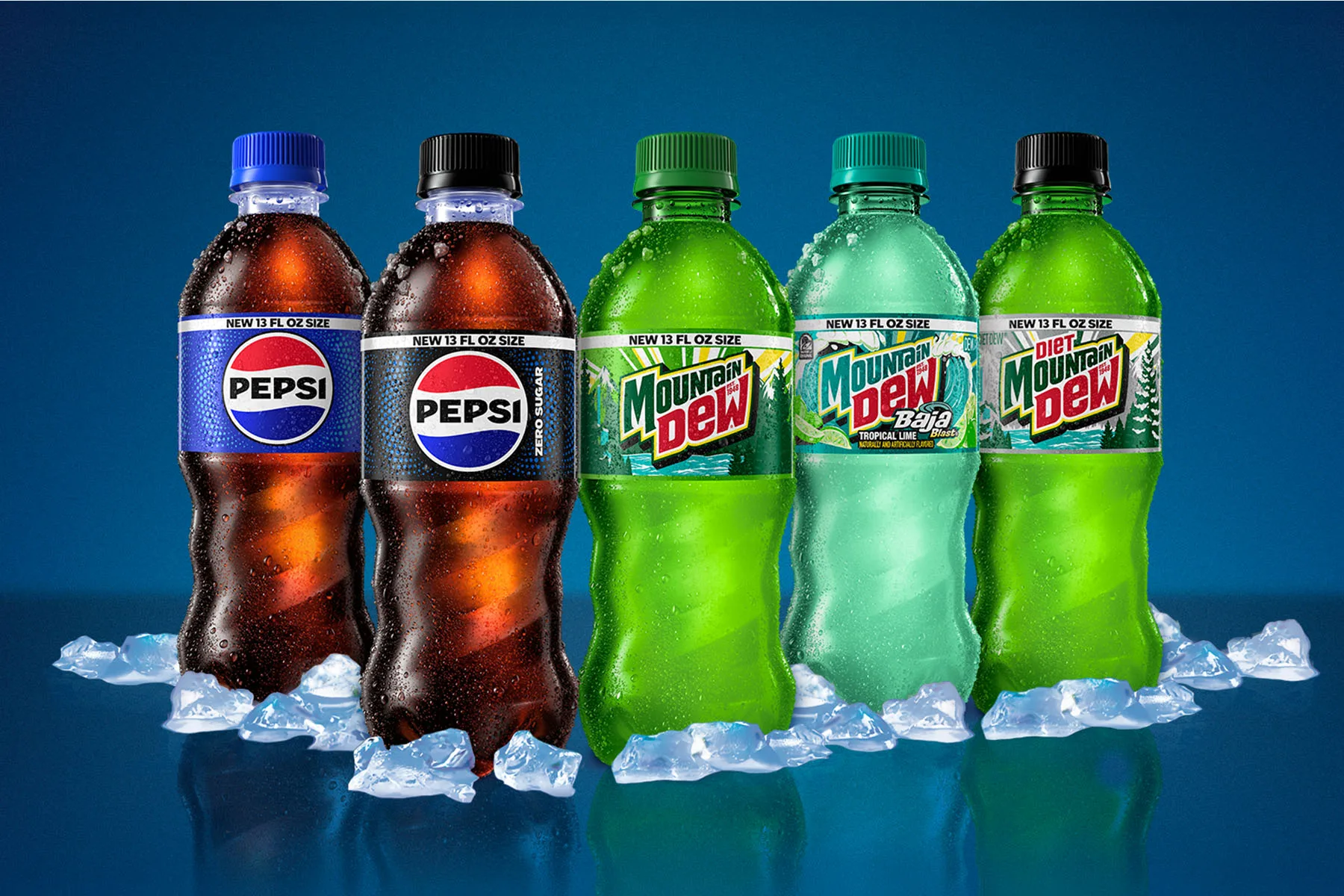
PepsiCo is betting on a new 13-oz PET bottle priced below $2 to reach consumers who are walking past the cold vault to better afford higher prices for gas and groceries. The company is rolling out the smaller bottle across five of its biggest sparkling brands. We dive deep in a Q&A with PepsiCo's US Sparkling Chief JP Bittencourt.
Rising Aluminum and Fuel Expenses Squeeze Distributor Margins
May 15, 2026
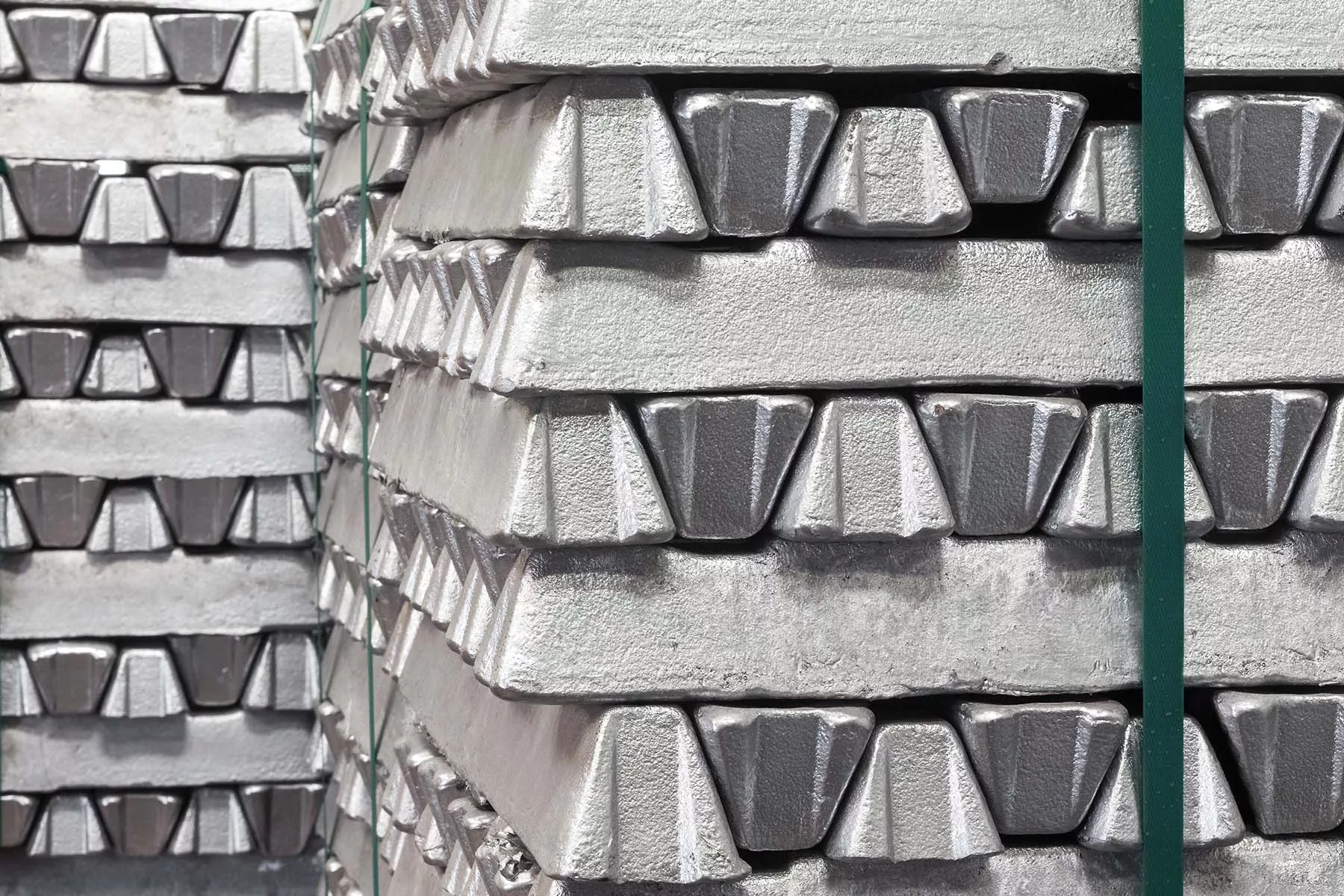
Rising fuel and aluminum prices against the uncertainty of a war in Iran and the highest annual inflation rate since May 2023 have caused increasing angst among US beverage bottlers and distributors. BD informally surveyed executives across the Coca-Cola, PepsiCo, Keurig Dr Pepper, and independent beverage distribution systems during the past week to find out what cost and profit margin pressures they face now, and what additional pressure they expect. The bottlers also discussed concerns about the revenue side of their P&Ls as consumers look for ways to better afford high grocery and gas prices. During the first-quarter earnings cycle in recent weeks, Coke, PepsiCo, Keurig Dr Pepper, Celsius Holdings, and Monster Beverage all addressed current and anticipated commodity inflation pressure this year, while adding that the costs are mostly manageable so far. “We expect beverage companies will feel margin pressure in 2026, with likely pricing actions in 2027,” RBC Capital Markets Beverage Analyst Nik Modi wrote in a May 7 research note, citing higher costs for aluminum and fuel. Much of the pressure is falling on distributors who own and fuel the trucks that move beverages and buy the aluminum cans that drinks are packaged in. One bottler called it a “perfect storm” of cost pressures. The following is a summary of responses and key themes that emerged from more than a dozen discussions:
Strategy Embraces Sector’s High-Octane Genesis and Rockstar’s ‘In-Your-Face’ Past
May 15, 2026
Celsius Energy went from being an underdog to the No. 3 energy drink in the US with a simple formula: broaden the base. Rather than competing for the traditional male energy drink consumer through testosterone-fueled marketing, Celsius Energy built its brand around flavor and a wellness-oriented identity that gave women and professionals who had never bought an energy drink permission to enter the category. Now, with the acquisition of Rockstar Energy from PepsiCo last year, parent company Celsius Holdings is tapping back into the category's roots to access the adrenaline and attitude that built the energy drink sector. “We’ve always been an in-your-face brand,” Celsius Holdings CMO Rishi Daing said of Rockstar, for which he is spearheading a marketing reset. “But we became a little too polished in recent years, maybe a little too sophisticated. Our consumers probably weren't finding that as relevant anymore.” Last month, Celsius Holdings launched a new “Live Loud” brand identity and marketing campaign, playing off Celsius Energy’s “Live. Fit. Go” brand positioning. The new Rockstar positioning comes with an aggressive push into music, action sports, and motorsports. Daing said...
ABOUT THIS REPORT AND BD’S FACT BOOK, 31ST EDITION. This report is a snapshot of BD’s newly-published Fact Book, 31st Edition. Fact Book offers a comprehensive view of US liquid refreshment beverage industry sales performance by brands, company, and category. Annually, BD compiles estimated volume and value sales data for the US liquid refreshment beverages (LRB) market, as well as categories including carbonated soft drinks (CSD), and energy drinks. The data included in BD’s Fact Book and in this special issue synopsis estimates beverage sales for all measured and unmeasured channels, including packaged retail, fountain, and vending. The fountain channel includes restaurants, sports and entertainment venues, and other foodservice outlets. In recent years, BD has added chilled juice to the annual Fact Book and to this report. Table 1 does not include an “all other” category and therefore market shares do not sum to 100.
Wish List Includes Close Ties to Bottlers, Quick Decision Making, Total Beverage Innovation
March 25, 2026
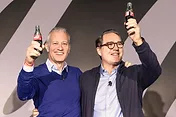
Coca-Cola bottlers in the US are broadly optimistic about incoming Coca-Cola CEO Henrique Braun, expressing confidence that his ground-level understanding of local markets and emphasis on consumer and digital...
Q&A With Niagara Senior Director of Logistics Niraj Jha
February 17, 2026
PepsiCo announced last month an initiative with German tech conglomerate Siemens and computer chip maker NVIDIA to create “digital twins” of manufacturing plants and warehouses. The goal is to use AI-backed digital simulation technology to figure out what physical changes to plants and warehouses would best improve speed, quality, and efficiency. According to Siemens, the technology tested in one US Gatorade plant increased throughput by +20% within three months. PepsiCo estimates it could reduce capital expenditures by -10% to -15% by “uncovering hidden capacity and validating investments in a virtual environment” before construction. “This allows the company to optimize existing assets rather than investing in costly new construction,” Siemens said in a blog post about the PepsiCo partnership. BD wanted to understand how digital twins work, so we turned to Niraj Jha, who is the senior director of logistics at Niagara Bottling. His work is focused on how data, automation, and AI are reshaping beverage supply chains. Jha’s team leads large-scale optimization initiatives across Niagara’s national network. Jha has been an outspoken proponent of AI technology in manufacturing and distribution. The following interview has been condensed and edited for clarity:
Coke, Pepsi Concentrate Pricing Up. PepsiCo Flat Following Jump Last September
February 4, 2026
Concentrate list pricing for flagship Coca-Cola, Diet Coke, Sprite, Coca-Cola Zero Sugar and other carbonated soft drinks produced by US Coke bottlers is...
Energy Category Volume and Dollar Sales Jump in First Nine Months of 2025
November 19, 2025
KDP’s Energy Portfolio featuring Ghost, C4 Posts Higher Retail Sales
A three-way battle for energy drink supremacy is emerging at US retail, according to BD data. Monster Energy, Red Bull, and Celsius Energy accounted for 70% of category volume sales during the first nine months of 2025, as shown in the Green Sheet. Monster Beverage’s energy brands...
Brand Slowed as Aggressive Immigration Enforcement Dampened Hispanic Consumer Demand
November 19, 2025
Category Dollars Grew +4.3% at US Retail. Volume Fell Slightly
PepsiCo’s CSD Portfolio Lost Share. KDP’s Portfolio Gained
The Coca-Cola Co’s surprising carbonated soft drink (CSD) decline, driven by brand Coke, continued into the third quarter of 2025 at US retail as the Trump Administration’s aggressive immigration enforcement kept Hispanic consumers away from stores and some consumers ...
Plan Includes Company-Owned and Independent U.S. Bottling
November 5, 2025
PepsiCo Beverages North America is moving distribution of Bubly sparkling water from direct store delivery to warehouse delivery, BD has learned. PBNA confirmed the...
 RSS
RSS